Skip to content


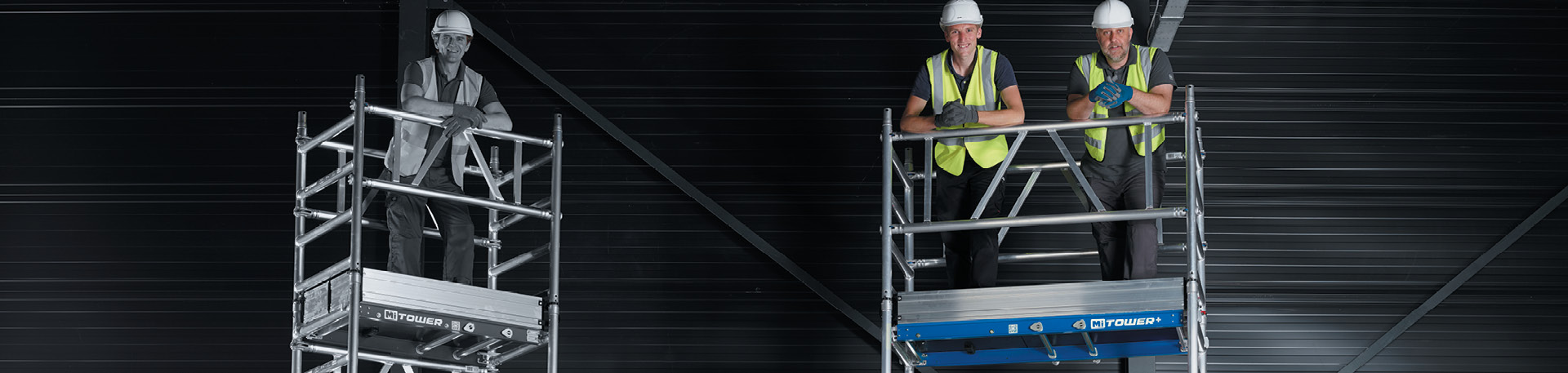
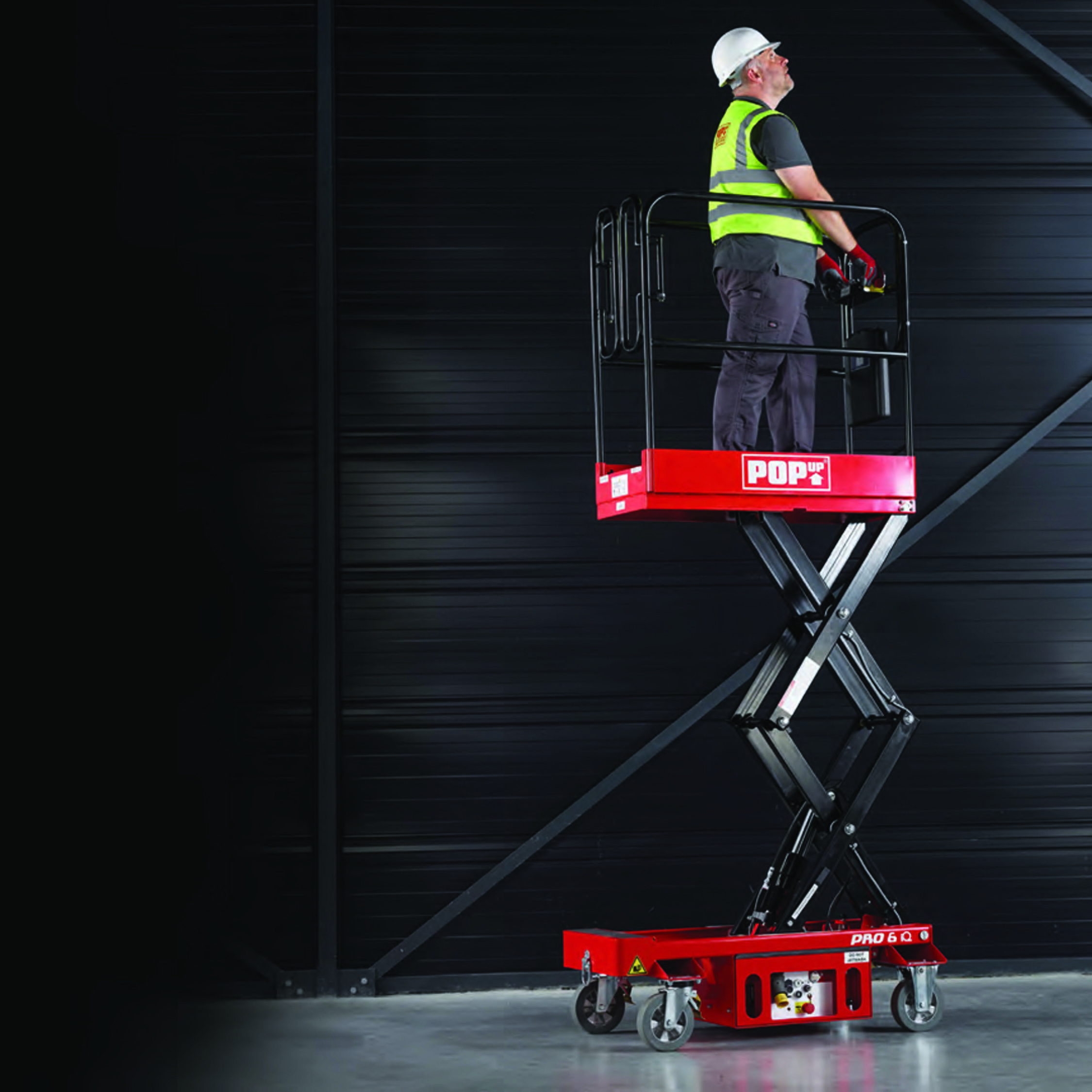
Working at height is often a part of everyday life for both DIY enthusiasts and trade professionals. From painting ceilings to repairing a roof or installing electrics, platforms and access equipment are a vital piece of the project. Knowing how to use them correctly is critical to staying safe and getting the job done efficiently. We’ve put together a few points to help you reduce risk and work with confidence.
Why Platform and Access Safety Matters?
Falls from height remain one of the leading causes of serious injury in construction and home improvement projects. Many accidents happen not because of faulty equipment, but due to incorrect selection, poor setup, or misuse.
Good access safety will protect those around you, improve productivity and reduce damage to equipment.
Choose the Right Access Equipment for the Job.
Before hiring, consider the below:
- Working height required – Don’t stretch or overreach; always choose equipment that allows you to work comfortably.
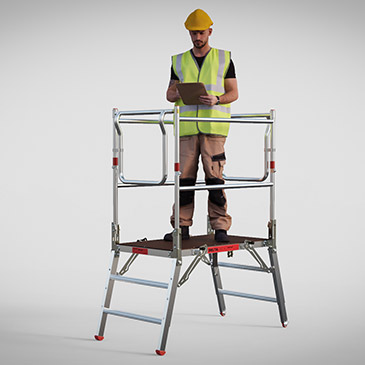
- Duration of the task – Short tasks may suit step platforms, while longer jobs need scaffolding or mobile towers.
- Ground conditions – Uneven or soft ground requires stable, adjustable bases.
- Indoor vs outdoor use – Wind and weather significantly affect outdoor work.
There is often the temptation to “make do” with ladders where a platform or tower would be safer and more stable,
Inspect Equipment Before Use
We will always fully test and run our equipment before hiring, but it is still good practice to carry out a basic inspection on any hired or owned access equipment before use.
You are looking for visible damage such as bent frames, cracked welds, or missing components. You should ensure locking mechanisms, guardrails, and stabilisers are secure. Confirm platforms are clean, dry, and free from oil, paint, or debris. Make sure wheels (if fitted) lock properly
If anything doesn’t look right, don’t use it.
Correct Setup Is Essential
Even the best equipment can be dangerous if it’s set up incorrectly. Key setup rules include:
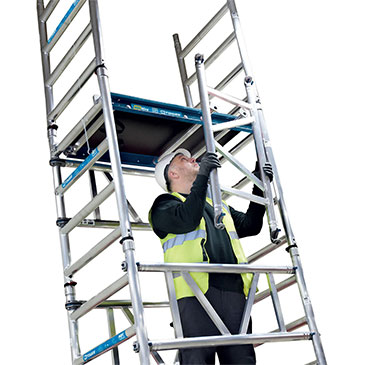
- Assemble equipment strictly according to the manufacturer’s instructions
- Always use guardrails and toe boards where provided
- Ensure towers and platforms are level before use
- Never stack materials or add makeshift height (such as bricks or blocks)
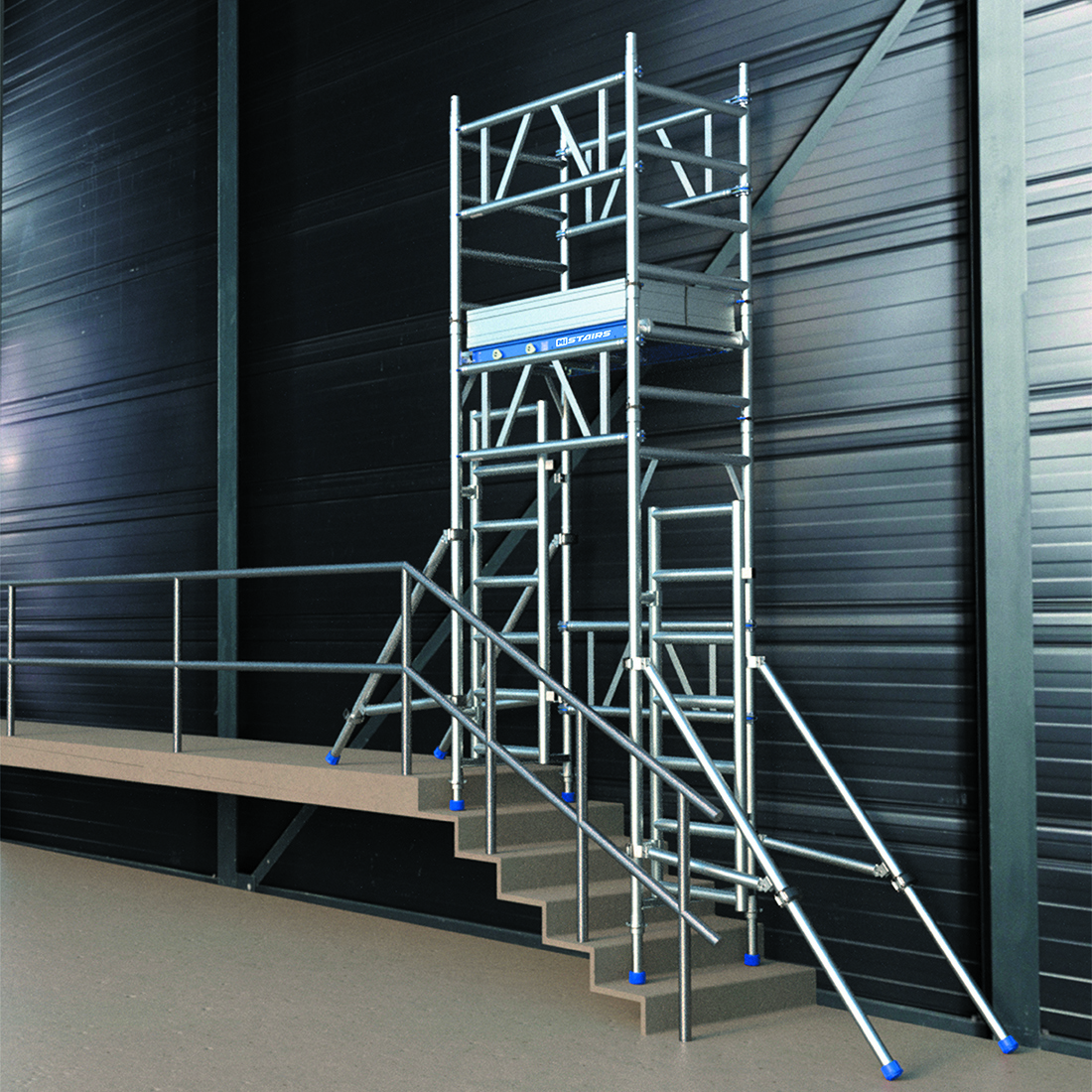
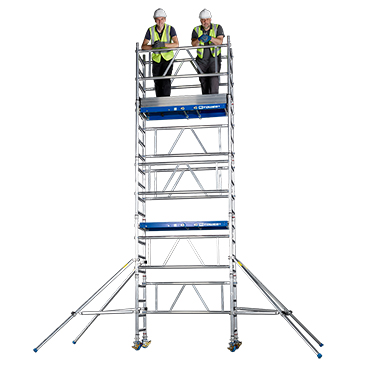
- For mobile access towers, lock the castors before climbing and never move the tower while someone is on it.
Safe Working Practices at Height
Once you’re set up, how you work is just as important as the equipment itself.
- Whether working in trade, or doing a DIY project, it is important to never rush. Take time and do the job safely.
- Maintain three points of contact when climbing
- Keep your body centred within the platform or guardrails
- Do not overreach — climb down and reposition instead
- Keep tools secured to prevent falling objects
- Never exceed the maximum load capacity
Consider Training and Advice
We offer Working at height courses through our International Powered Access Federation (IPAF) training centres. Click here for more details on working a height courses.
Even experienced professionals benefit from refresher training when using different types of access platforms.
Weather and Environmental Awareness
Working outdoors creates extra hazards as strong winds can destabilise towers and platforms, rain and frost increase slip risk and poor lighting reduces visibility and judgement. If in any doubt about conditions, delay the job. No deadline is worth the risk of a serious fall.
Why Hire Instead of Buy?
Hiring access equipment offers several safety advantages including the below:
- Professionally maintained and inspected equipment
- Access to the correct solution for each job
- Expert advice on selection and setup
- No long-term storage or maintenance concerns
- For both DIY and trade, hiring ensures you’re using equipment that meets current safety standards and is suitable for the task at hand.
You can view our range of platforms and access equipment by clicking here. If you’re unsure which access solution you need, please give us a call on 1800 22 33 66 and we can give you advice.